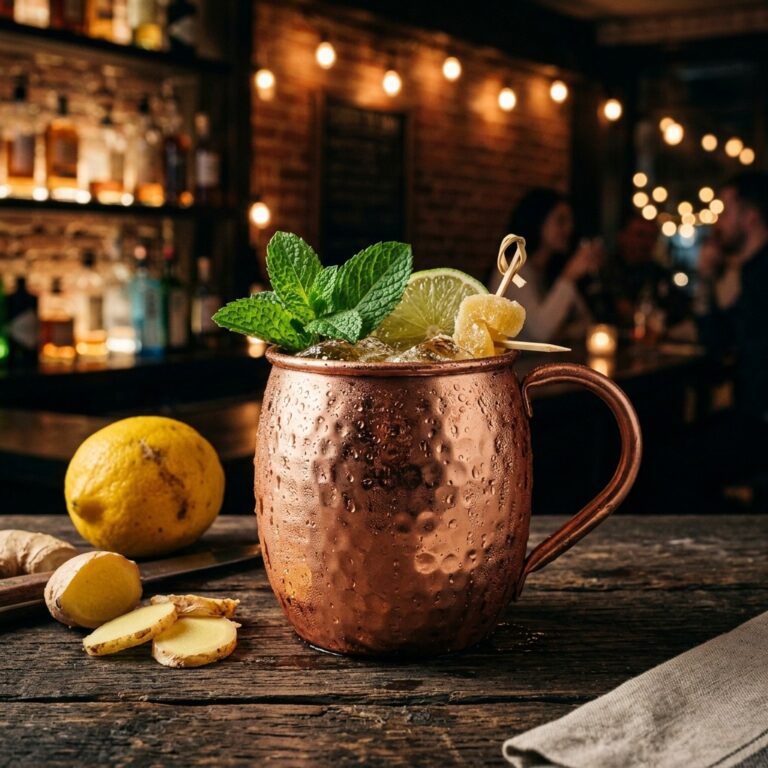
What Is Ginger Beer and Is It Alcoholic?
Introduction
Ginger beer has a long history as a fiery, refreshing beverage, but its name leads to constant confusion about whether it belongs in the soda aisle or the alcohol section. Understanding how ginger beer is made is key to knowing what you are buying and whether it is suitable for everyone.
Quick answer: Modern commercial ginger beer is typically a non-alcoholic, carbonated soft drink brewed with ginger, sugar, and water, containing less than 0.5% ABV (alcohol by volume). However, traditional home-brewed ginger beer and specific “hard” ginger beers are fermented using yeast and can contain anywhere from 1% to 6% ABV.
Dietary note: Standard ginger beers can be high in added sugars, so individuals managing blood sugar or avoiding alcohol should check labels carefully to distinguish between soft drinks, traditional ferments, and alcoholic versions.
This guide covers the history of ginger beer, how fermentation affects alcohol levels, how it compares to ginger ale, and what to look for on commercial labels.
Ginger Beer at a Glance
| Question | Short Answer |
|---|---|
| Typical alcohol content | Commercial ginger beer: non-alcoholic (<0.5% ABV) |
| Traditional fermented versions | 0.5% to 2.0% ABV from natural wild fermentation |
| “Hard” ginger beer | Brewed specifically to contain 4.0% to 6.0% ABV |
| Main ingredients | Real ginger root, sugar, water, and yeast (or ginger bug) |
| Difference from ginger ale | Ginger beer is fermented, spicy, and cloudy; ginger ale is carbonated, sweet, and clear |
The History of Ginger Beer
Ginger beer originated in Yorkshire, England, in the mid-eighteenth century. It was created as a fermented beverage using ginger, water, sugar, and a starter culture known as the “ginger beer plant” (GBP). The GBP is not actually a plant, but rather a symbiotic culture of bacteria (primarily Brevibacterium vermiforme) and yeast (Saccharomyces florentinus) that forms gelatinous granules.
The mixture was left to ferment in earthenware jars for several days. This process created a fizzy, spicy, and naturally carbonated beverage with an alcohol content that frequently exceeded 11% ABV. The drink became popular across the UK and was exported worldwide. In the early twentieth century, temperance movements and changes in excise taxes led commercial manufacturers to reduce the fermentation times, bringing the alcohol level down to negligible amounts.
How Ginger Beer Is Made: Traditional vs. Modern Methods
The production method dictates the final alcohol content of the beverage. There are three main ways ginger beer is manufactured today:
1. Carbonated Ginger Soda (Most Common Commercial Method): Most ginger beers found in supermarkets today are not fermented. Instead, they are made by combining carbonated water with sugar syrup, citric acid, and natural ginger extracts or juice. These beverages contain 0.0% to 0.5% ABV and are classified as non-alcoholic soft drinks. They are popular soda alternatives for people trying to quit standard colas.
2. Traditional Wild Fermentation (Ginger Bug Method): Traditional ginger beer is made by fermenting ginger, sugar, and water with a “ginger bug.” A ginger bug is a wild fermentation starter made by mixing fresh grated ginger, sugar, and water, allowing the wild yeasts and lactic acid bacteria on the ginger skin to multiply. Just like other traditional fermented beverages such as Mexican Tepache, ginger beer relies on sugar to feed yeast. When added to a sweet ginger tea and bottled, the yeast consumes the sugar, producing carbon dioxide (natural fizz) and a small amount of alcohol (typically 0.5% to 2% ABV) over a few days. If you are preparing a ginger bug at home, compare it with our recipes for Mexican agua fresca or Caribbean sorrel.
3. Hard Ginger Beer (Brewed Alcoholic Beverage): Some producers intentionally brew ginger beer to standard alcoholic strengths using beer-making equipment, malted barley, and specific brewer’s yeast strains. These drinks are marketed alongside craft beers and ciders, containing 4% to 6% ABV, and are strictly restricted to adults. Those who manage blood sugar, such as on a diabetic-friendly diet or a structured weight loss plan, must verify labels carefully.
Ginger Beer vs. Ginger Ale: The Main Differences
Although they share a primary flavor ingredient, ginger beer and ginger ale are completely different beverages in texture, intensity, and manufacturing. The following table highlights the key differences: